Social media can feel like a minefield for brands. One day, a post might go viral, and the next, your carefully crafted content disappears into the algorithm abyss. With organic reach dropping by over 60% in the last few years, even loyal followers might never see your updates.
Many businesses struggle to get meaningful engagement or drive sales solely through organic posts. That’s where paid social media marketing comes in. By targeting the right audience with precision, brands can cut through the noise, boost visibility, and actually see measurable results.
Whether you’re trying to increase brand awareness, generate leads, or drive online sales, understanding the difference between organic and paid social media is key. Done right, paid strategies can transform your social media from a guessing game into a results-driven channel.
What Is Organic Social Media?
Organic social media is, simply, the the content shared on social platforms without any paid promotion. This includes posts, images, videos, and stories that are shared with followers and their networks. The primary goal is to build relationships, engage with the audience, and foster community.
While organic content can reach a wide audience, its visibility is often limited by platform algorithms, which may prioritise paid content. This means relying solely on organic social media may not be enough for businesses aiming for significant growth, and is why it is often paired with other strategies, such as SEO and PR outreach.
Despite these challenges, organic social media remains indispensable for building brand authenticity and trust. By consistently providing valuable content and engaging with followers, brands can cultivate a loyal community that supports their long-term success.
What Is Paid Social Media?
Paid social media, unsurprisingly, involves paying to promote content on social media platforms to reach a broader or more targeted audience. Falling under the blanket of paid media, this can include various ad formats such as image ads, video ads, carousel ads, and influencer partnerships. The goal of all of this is to increase brand visibility, drive traffic, and generate leads or sales.
Platforms like Facebook, Instagram, LinkedIn, and TikTok offer robust advertising tools that allow businesses to target specific demographics, interests, and behaviours. For instance, businesses can target users based on location, age, gender, and even their previous interactions with the brand.
The effectiveness of paid social media is evident in its growing adoption. In 2023, advertising spend increased to £153.2 billion, and experts predict paid social media spending is projected to reach £188.7 billion by 2028.
Key Differences of Paid and Organic Social Media
While there’s a numerous amount of differences between the two forms of social media marketing, we’ve summed up the most important elements into one handy table.
| Element | Organic Social Media | Paid Social Media |
|---|---|---|
| Cost | Free to post; time-intensive | Requires budget allocation |
| Reach | Limited by algorithms and follower count | Can reach a broader or more targeted audience |
| Engagement | Builds trust and community | Drives immediate action and conversions |
| Longevity | Content remains accessible over time | Ads have a set duration and may require renewal |
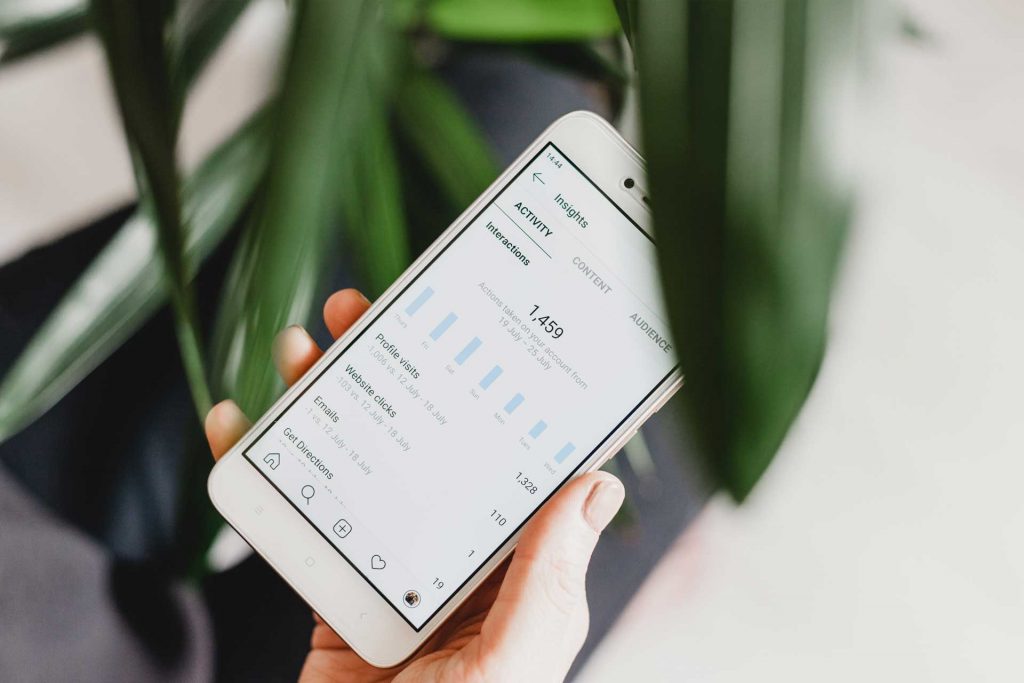
| Analytics | Basic insights available | Detailed metrics on performance and ROI |
Organic social media is great for building long-term relationships and trust with the audience, but the overall reach it has can be limited by platform algorithms. On the other hand, paid social media can provide immediate visibility and targeted reach, but it requires financial investment to start and maintain.

How to Implement Both Forms in Your Social Media Strategies
Integrating both organic and paid social media strategies can provide a comprehensive approach to social media marketing. Here are some steps to creating a balanced approach that maximises visibility, engagement, and conversions.
Define Your Goals
Before creating content or launching ads, it’s essential to know what you want to achieve. Are you aiming to increase brand awareness, generate leads, or drive sales? Clear goals help you determine which type of content works best organically and which campaigns should be boosted with paid promotion. For example, if your goal is lead generation, organic posts can educate your audience, while paid ads can target people most likely to convert.
Having specific, measurable objectives also allows you to track success accurately. Tools like Google Analytics, Facebook Insights, and LinkedIn Campaign Manager can show whether your efforts are hitting your targets.
Understand Your Audience
Knowing your audience is crucial for both organic and paid social media. Analyse demographics such as age, gender, location, and interests. Look at engagement patterns: what posts get likes, shares, or comments? What content do followers ignore?
Paid social media works best when it targets the right people. Platforms like Facebook and Instagram allow you to create custom audiences based on behaviour, interests, and past interactions with your brand. Understanding your audience ensures that your content resonates and your paid ads reach the people most likely to take action.
Create Engaging Content
Content is at the heart of social media success. Whether organic or paid, it must capture attention, provide value, and encourage interaction. Use a mix of formats to to keep your audience interested, such as videos, images, carousels and stories.
For organic posts, focus on storytelling and relationship-building. Paid posts, meanwhile, should have a clear call to action that guides viewers toward a specific goal, such as signing up for a newsletter or making a purchase. High-quality visuals, relatable captions, and concise messaging all help maximise engagement.
Utilise Paid Advertising
Paid social media can amplify your reach and precisely target your audience. Campaigns can be designed to boost posts, run promoted stories, or create lead generation ads. Platforms like LinkedIn Ads or Facebook Ads Manager allow you to set budgets, define audiences, and track performance metrics.
Paid campaigns also allow experimentation. You can test different headlines, images, or audience segments to see what works best. This makes it easier to optimise campaigns and achieve better return on investment (ROI) over time.
Monitor and Adjust
Social media strategies are never set-and-forget. Regularly analyse metrics such as engagement rates, click-through rates, and conversions. For organic content, see which posts attract the most attention. For paid campaigns, measure ROI and assess whether your targeting or messaging needs adjustment.
Adjustments can include tweaking ad copy, changing visuals, or reallocating budget to better-performing campaigns. Continuous monitoring ensures your social media strategy stays effective and responsive to your audience’s behaviour.
Why It’s Worth Considering A Hybrid Approach
Relying solely on either organic or paid social media strategies often falls short. Instead of choosing one over the other, it may be worth combining the authenticity and trust-building of organic content with the targeted reach and scalability of paid advertising. That way, you get the best of both worlds, with the weaknesses offset much more. It’s a proven method that’s worked for many different brands out there, including:
Duolingo: Blending Organic Creativity with Paid Precision
Duolingo may have taken a tumble in recent times, but in the past they had mastered the art of social media by blending organic creativity with targeted paid campaigns. Their humorous and engaging organic content built a strong community and fosters brand loyalty. Complementing this, their paid campaigns were strategically targeted to reach new users, amplifying their brand presence and driving user acquisition.
Nike: Integrating Influencer Partnerships Across Organic and Paid Channels
Nike exemplifies the power of a hybrid strategy by integrating influencer partnerships across both organic and paid channels. Their collaborations with athletes and influencers help generate authentic content that engages their audience organically. At the same time, Nike invests in paid advertising to amplify this content and reach a broader audience, making sure consistent brand messaging and increased visibility across platforms continues.
Old Bank House Chocolates: A Hybrid Approach in Action
A great example of the power of combining organic and paid social media is Old Bank House Chocolates, a family-run artisan chocolatier in the Lake District. They wanted to grow their online presence and drive more sales, so they partnered with us to create a strategy that blended both approaches.
Their organic content showcased the chocolate-making process, customer stories, and seasonal promotions, building trust and engagement with their audience. At the same time, paid advertising on Facebook and Instagram targeted luxury gift buyers, helping reach new customers who might not have discovered the brand otherwise. Encouraging community interaction and user-generated content further strengthened loyalty and connection.
The results were clear: increased website traffic, higher engagement on social media, and a boost in online sales, particularly during seasonal campaigns.
Social media is unmistakably a powerful tool, useful for companies of all sizes across the platforms that their customers use the most. Without the right balance between organic interaction and paid social media output, it’s easy to fall behind the competition. With it, however, you’ll find your brand taking huge steps forward.